Property PR explained
WHAT DOES PR MEAN IN REAL ESTATE?

PR means public relations in real estate. It is the work of earning attention, building trust and keeping people informed about a property, a development or the company behind it. A property PR campaign might brief a journalist about a new scheme, help a developer explain a construction delay or prepare an architect to answer questions at a consultation. It does not mean buying an advert or selling a home on the developer’s behalf.
That difference matters if you are deciding how to launch a development. The Property PR Agency approach to real estate communications begins with the audience and the facts they need, rather than a press release looking for a reason to exist. The work can start before there is a show home, and it can continue long after the first coverage appears.
WHAT PROPERTY PR DOES THAT ADVERTISING DOES NOT
Advertising buys a defined placement. You set the wording, the audience and, within the limits of the platform, when the message runs. Earned media works differently. An editor decides whether a story is worth covering and how to frame it. A PR team can supply facts, images and sources, but it should not promise that a specific newspaper will publish an article or repeat approved sales copy.
Property marketing is the wider set of activities that brings a scheme to market. It can include paid search, email, brochures, a project website and the way the sales team handles enquiries. PR can support those activities without replacing them. A news article might be the first encounter with a scheme. The project website answers the next questions, and a trained sales adviser explains what is available. If the article mentions a milestone but the site still shows the old schedule, the buyer sees a contradiction rather than a reason to enquire.
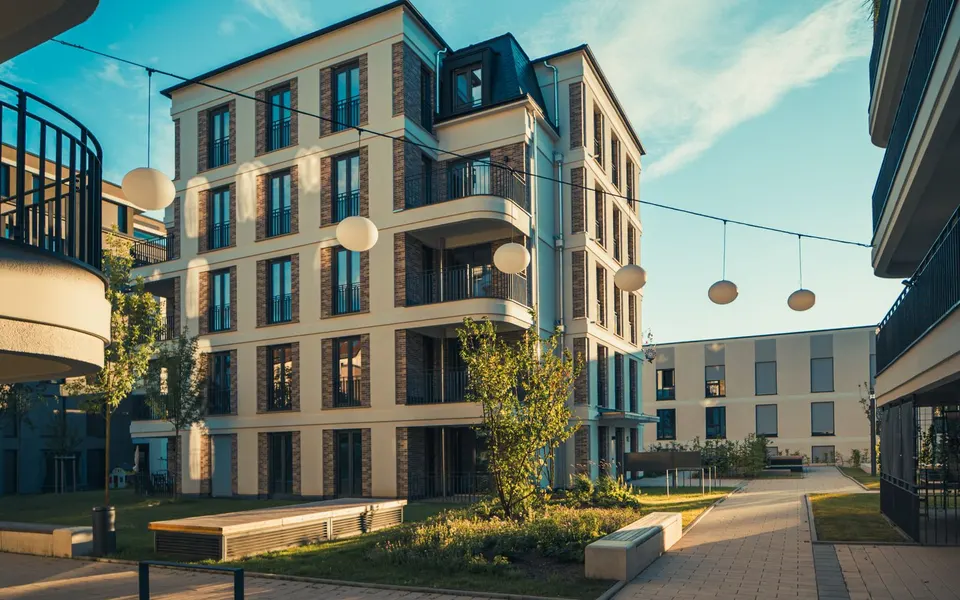
Think of an apartment scheme with a shared courtyard. A display advert can show the courtyard and invite buyers to view. An editorial pitch needs another reason to pay attention: perhaps a landscape architect can explain the planting plan and how the courtyard connects to the street. A resident briefing has a different job again. It might explain public access, opening hours or how maintenance is funded. The underlying facts should agree even though each piece serves a different purpose.
WHO NEEDS TO HEAR FROM A DEVELOPER?
Prospective buyers are not a single group. A local downsizer may ask about lift access, running costs and the walk to the shops. An overseas buyer may need clear information on the purchase process and a sensible way to arrange a remote viewing. An investor might ask for the source and date of a rental estimate. In each case, a credible answer is more useful than another adjective about the finish.
Neighbours, tenants, businesses and local groups have different interests. They may need to understand when site traffic will change, where the main entrance will be or how to raise a concern. An update should give readers a way to ask a question and explain which decisions are still open. It should not describe a proposal as approved or give the impression that feedback can change a matter already settled.
There are also intermediaries. Agents need a usable fact sheet, lenders and partners may need verified milestone updates, and local reporters may want to speak to someone who knows the area. Identify the smallest credible set of audiences for each story. Trying to address everyone in the same message often produces a vague announcement that nobody can act on.
HOW PR CHANGES ACROSS THE DEVELOPMENT TIMELINE
Before a launch: create a fact sheet and mark items that are provisional. Check which details the architect, planning lead and commercial team can confirm. Map the questions people are likely to ask. Agree who answers about planning, construction, sales and stewardship. That preparation is especially useful if a public filing or announcement arrives before the campaign is ready.
At launch: choose a story that has a reason to run now. Opening a show home, publishing a new phase or completing work on an existing landmark could all be useful hooks. Set an embargo only where it is genuinely necessary and agreed with the journalist. Give the sales team the release, image credits and enquiry links so they can answer questions without guessing.
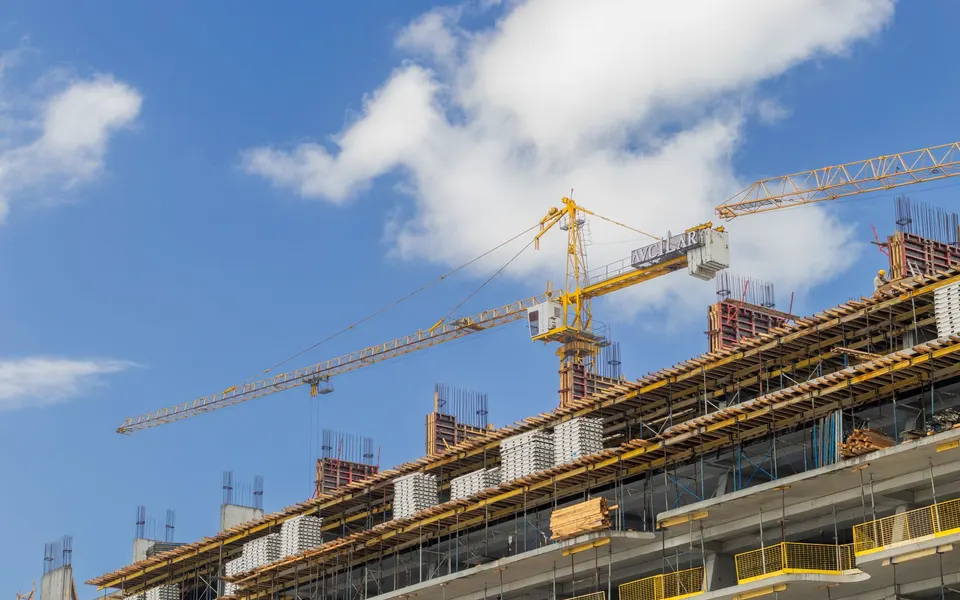
During construction: replace the temptation to announce every site activity with updates that matter to people. A revised access plan, completion of a public space or a confirmed handover sequence may be worth explaining. If work slips, distinguish what happened, what is known about the impact and when you expect to issue the next update. Do not promise a new date just to fill a gap.
At handover: explain what residents can use now and what will come later. Update the media pack and sales pages if photography, amenities or availability have changed. A handover story can move away from renderings and towards things readers can see and check. Obtain permission if you want to tell a buyer’s story or use their image.
HOW TO TURN PROPERTY FACTS INTO A CREDIBLE STORY
A strong pitch has a subject, a reason it matters and evidence to support it. “A new collection of luxury homes” usually offers too little on its own. “A former warehouse has been adapted for homes, with the original frame retained” is more useful if plans, photography and an architect can tell readers what was retained and why. The pitch should answer the practical question a reporter will ask: what can I actually verify?
Start with a list of claims and assign an owner to each. If you show a walking time, check the route and how the time was measured. If the campaign mentions energy costs, distinguish a model from what someone might actually pay. If a picture shows a future landscape or fit-out, label it clearly. Give each press image a caption and identify whether it is a photograph, an illustration or a rendered view. Cuts to a social caption should not remove a qualification readers need.
Price is only one part of the buyer’s decision. The Competition and Markets Authority’s housebuilding market study examined issues including estate management charges and the quality of new homes. It is a useful reminder that a development’s story should leave room for practical ownership questions. The communications team can prepare an explanation and point to the right documents; it is not a substitute for a buyer’s independent legal or financial advice.
Set up one record of approved facts, with dates and source documents. Make it easy to take an obsolete brochure out of circulation. If journalists have been sent a figure that changes, contact them with the correction and make the same change on the site. That is a better way to protect credibility than quietly changing a number in one place and hoping readers do not notice the difference elsewhere.
WHAT A REAL ESTATE PR CAMPAIGN LOOKS LIKE IN PRACTICE
Imagine a fictional developer preparing to open viewings for a renovated building. Its first plan is to announce all the apartments together. The PR team sits down with the sales lead and discovers that the most common question is about how much of the building is original. That becomes a more precise brief. The team interviews the architect, agrees access for daylight photography and prepares a labelled before-and-after sequence that explains the work.
The story goes to a small number of local and design reporters who have covered similar projects. A factual property page explains tenure, the viewing process and where to request details. A separate update goes to nearby businesses about activity on the opening day. These are connected pieces of work, not the same release in different wrappers. Each gives its reader something they can use.
If the first story is not picked up, the team reviews the reason instead of sending the same email to more people. The story may lack a fresh date, the images may not explain the work or another development may have announced something similar. A later pitch can use a genuinely new fact, such as the opening of a shared space. Silence from a publication is not permission to claim an endorsement or make a paid placement look editorial.
HOW TO MEASURE PR WITHOUT CONFUSING IT WITH SALES
Set a measure for each job before the campaign begins. For a local briefing, that could be the questions answered, whether readers could find the correct contact route and which issues still needed a response. For a launch, look at the coverage in the intended markets, the details it conveyed accurately, visits to the relevant page and any enquiries that met the team’s agreed criteria.
Define a qualified enquiry in plain language. For one scheme it might mean a buyer who wants a viewing, is interested in the available property type and has a timetable that fits. For another it could be a request from an agent with a relevant mandate. A general question is still worth answering, but it should not be counted as a qualified opportunity just because it came through the same form.
Attribution will rarely be complete. A buyer might read a piece on a phone, search for the scheme on a laptop days later and contact an agent offline. Ask where they heard about it, and compare referral data with the notes from the sales team. Report what you can see and flag what you cannot prove. Do not give an article credit for every sale that happened after it ran.
Keep a short record of decisions as well as results. If a placement produced interested readers but they could not find viewing details, improve that page. If the press repeatedly asked about a service charge, add a better explanation where it is appropriate to disclose it. The value of measurement is the next decision it helps you make, not the number of items on a monthly slide.
WHEN THE BEST PR DECISION IS TO WAIT
Not every attractive idea is ready to announce. Imagine an unconfirmed partnership with a local business. It could make a good story eventually, but giving out names before permissions are in place puts both teams in a difficult position. Use the time to prepare the background, check who can speak and work out what people will be able to do once the news is public. If the agreement never happens, there should be no announcement to retract.
Waiting to pitch does not mean leaving affected people without information. A neighbour may need to know about a closure even if the full programme is uncertain. Give them the current confirmed detail and the date of the next update; do not wrap a service notice in sales language. Being clear about what you do not know is often more helpful than holding all communication until every answer is ready.
WHEN TO GET HELP WITH REAL ESTATE PR
Bring in help when you have a communications job that needs more time, experience or reach than your team can supply. A modest scheme with good local relationships may need just a tightly scoped launch or media pack. A phased development with several audiences may need a longer programme and an agreed process for urgent questions. If your materials are not ready, a clear brief and fact review often come before outreach.
For the next decision, read our guide to UK PR costs and property campaign budgets. If you are comparing suppliers, our property public relations agency selection guide explains what to ask about the people, evidence and process behind a proposal.
Already working towards planning, launch or handover? Tell us the location, type of development, likely audience and the next date that matters. You can also review the Property PR Agency services and market overview before making an enquiry. We can then discuss whether a single campaign or a longer communications programme fits the job.