Choosing an agency
PROPERTY PUBLIC RELATIONS AGENCY
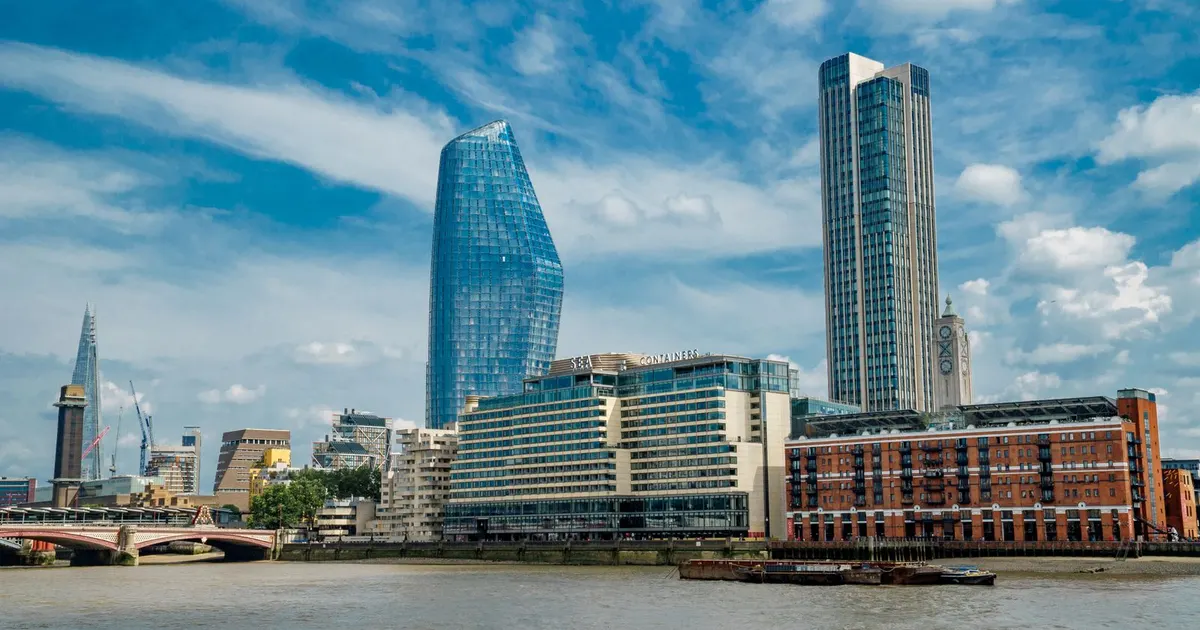
A property public relations agency helps developers, owners and operators explain a project to the people who can affect its success. That may mean earning relevant media coverage, preparing buyer-facing information or giving a project team a clear way to speak about a difficult change. The right agency can explain both the work it will do and the evidence you will use to judge it. A strong pitch deck alone tells you neither.
Explore the Property PR Agency overview of specialist real estate communications if you want to see how those services can fit together. If you are choosing between suppliers, use this guide to build a brief, ask for comparable evidence and agree a practical handover between PR and sales. The aim is to make a sound appointment, not to buy more activity than the project needs.
WRITE A BRIEF THAT STARTS WITH A BUSINESS DECISION
Begin with the decision your team needs to make or the change it wants to see. “Launch the scheme to people who can realistically book a viewing” is more useful than “raise awareness”. For a planning-stage project, the job may be to make proposals easier to understand and prepare the team for questions. For an operating building, it may be to explain an ownership or service change clearly to the people affected.
Give the agency enough detail to price that job. State the location, property type, project stage, likely audience and first useful date. Include what has been confirmed and what is provisional. Note which suppliers are already appointed and who owns the website, photography and sales enquiries. If there is an approval process with several partners, describe it rather than implying that every decision can be made in one meeting.
Then define the boundary. Do you need media relations only, or also press materials, spokesperson preparation and reporting? Does the agency need to write for international buyers or work with a local partner? Be explicit about events, paid promotion and photography rights. A narrow brief can be the right choice, provided someone is clearly responsible for the work outside it.

ASK FOR EVIDENCE THAT MATCHES YOUR DEVELOPMENT
Look past the publication logos in the deck. Ask for two examples with a useful point of comparison: similar property type, decision stage, location or buyer group. Ask the agency to explain the original problem, what it did itself and what it would do differently. A small project with a clear local result may be a better comparison than a nationwide campaign with a large paid budget.
Open the published coverage. Who would read it? Did it explain something important about the project or merely list the name? Was there a relevant destination for somebody who wanted to learn more? Distinguish coverage the agency earned from advertising, advertorial and a syndicated copy of its release. All can have a role, but they are not the same evidence.
Tell the agency which information it can share without breaching another client’s confidence. A redacted report can demonstrate how the team connects coverage to audience action without revealing private buyer details. A claim about reservations needs context: who measured it, what else was running at the time and whether it was directly observed or inferred.
Ask for an example where the first idea was not right. Perhaps the launch date slipped, the proposed story had no supporting facts or a local concern needed more work. A good answer explains how the team changed the plan and who it told. That is often more revealing than a polished account of the campaign that went exactly as intended.
MEET THE TEAM THAT WILL DO THE WORK
Ask who leads the account, who writes the first draft and who checks the property facts. The senior presenter might be excellent advice on demand, while another person runs day-to-day outreach. Both arrangements can work. What you are trying to learn is whether the people responsible for the work have enough time, experience and authority to manage it.
Use one realistic question in the meeting. Suppose a launch page advertises a shared roof terrace but the access arrangements are not signed off. Ask what the account lead would do before the campaign runs. A practical response identifies who can confirm the facts, separates what is proposed from what is available and explains which materials should be held back or revised.
For a multi-market brief, ask how the work will be adapted rather than simply translated. Reporters in different markets need context that local buyers may already know. A developer may need an explanation of ownership terms and a different route to arrange a viewing. Find out how local partners are briefed, whether their costs are included and who owns approval of adapted copy.

SET STANDARDS FOR CLAIMS, PHOTOS AND APPROVALS
Before appointment, ask the agency to describe how it handles claims about the property. A sales figure, guarantee, environmental claim or journey time should not enter a press pack simply because it was on a draft slide. The agency should record the source, confirm the scope of the claim and note any qualification that must travel with it. Property details can change, so give the underlying fact sheet an owner and a review date.
The Advertising Standards Authority’s guidance on misleading advertising and substantiation is a useful starting point for paid and other in-scope marketing communications. It explains why evidence should exist before publication for objective claims that can be substantiated. Apply the same care when preparing facts for journalists, even though editorial coverage is not the same thing as an advert.
Check the provenance of photography and drawings. Know which units are shown, when a photograph was taken and who can use it after the campaign. Label renderings as such and distinguish a show apartment from the specific home offered for sale. If access to the site is limited, arrange safe photography through the project team rather than improvising on launch day.
Agree an approval ladder that is quick enough to use. The sales lead may confirm availability, the design team may check specifications and a named director may sign off sensitive statements. Decide who can make a correction if someone is away. An agency can help coordinate these decisions; it cannot verify facts the client has not supplied.
BUILD A FIRST-MONTH PLAN WITH REAL OUTPUTS
In week one, agree the outcomes and open questions. Review public pages and the existing press material. Ask the sales team which questions return most often. At the end of the week, you should have a short brief, a list of facts to check and a clear owner for each decision. Waiting for a full strategy deck can delay those small but useful steps.
In week two, test the story against what is ready. Write the key message in one paragraph, then build the supporting facts and assets. Prepare an example pitch, a buyer question sheet and the draft enquiry path. Decide whether to proceed, stage the announcements or fix the underlying materials first. There is no obligation to pitch just because a kickoff date has passed.
In weeks three and four, brief the people who will answer questions and start the work that has been approved. Check links and viewing details before outreach. Agree what will trigger a wider update. At the first review, bring a record of activity, reader response and next decisions. If you are paying for a retainer, use that review to check whether the team and time match what was promised.
This is an example sequence, not a fixed timetable. A planning consultation, an international launch and an unexpected operating issue need different schedules. The principle is that each stage should result in an output you can review and a decision the team can make, not just a promise that visibility is improving.
CONNECT MEDIA ATTENTION TO QUALIFIED ENQUIRIES
Make one person responsible for the link between PR and the sales team. Before the campaign, test the viewing or enquiry page on a phone. A visitor should know where the development is, what kind of property it offers and what happens after they get in touch. Where appropriate, explain current availability or who can confirm it. Do not send readers to a launch page that has no next step.
Decide what qualifies as an enquiry before reporting starts. Useful criteria might include interest in a specific property type, a realistic viewing timeline or an agent acting on an active client brief. They should be fair and relevant to the sale, not a way to exclude people from receiving basic information. Agree how the sales team records sources and how the agency gets useful feedback without circulating unnecessary personal data.
A simple review should answer three questions: who responded, what did they ask and what will we improve? If the coverage was accurate but visitors stopped at the enquiry form, check the form and its instructions. If visitors made contact but were looking for homes outside the project’s offer, check how the story described the property. These observations help you improve the next round rather than treating every lead as equivalent.
USE A SCORECARD TO MAKE THE APPOINTMENT
After the meetings, score each agency against the brief rather than against the other presentations. Agree the criteria first. For a developer with one near-term launch, they might be relevant experience, strength of the proposed story, clarity of the account team and confidence in approvals. For an ongoing programme, you might give more weight to the quality of reporting and the ability to handle changes between milestones.
For each criterion, record a reason rather than just a number. “Showed a case study for a similar phase and explained what led to viewings” is something a colleague can review. “Good chemistry” is worth noting, but it does not show that the team has the capacity to deliver. If the scores are close, request one concrete piece of evidence rather than another full pitch.
Check whether the agency can take on your account without a conflict. Another client may be targeting the same buyer group or launching in the same place at the same time. Ask what the agency regards as a conflict and how it would separate the work. Do not assume that a broad market exclusivity clause is necessary or that no safeguards are needed. Match the agreement to the actual risk.
A short paid discovery or planning phase can be a sensible way to test the relationship. Define a usable output, such as a fact check, audience map and launch options. Agree who owns that work and whether you can use it with another supplier. A good discovery phase leaves you better informed even if you decide not to move on to a full programme.
CHECK THE AGREEMENT BEFORE YOU APPOINT AN AGENCY
Put the scope, decision dates, team, fees and approval process in writing. Clarify ownership of copy, data, photography and editable files. Ask which expenses require approval, what happens if the date moves and how a project ends. Know who will hold the press materials and contact history when the engagement closes. Start only when the work and conditions are clear to both teams.
For help separating PR from advertising, read what PR means in real estate. If your next task is to get a proposal approved, use our UK PR costs and property budget guide to compare fee structures. You can also return to the specialist Property PR Agency services overview to see where a wider brief might make sense.
If you have a development in view, share the location, current stage, priority audience and the next milestone. Tell us which parts of the work are already covered. A useful first conversation should identify the gaps and whether we are a fit, not commit either side to a programme before the brief is clear.
Discuss your development with a property public relations agency